
Some evenings fill the shop with a special kind of energy, the kind that reminds you why you fell in love with this craft in the first place. Last Friday, November 20, we lifted the shutters at Vinalium Manresa to share bottles, glasses and conversation up close with Kepa Martínez, winemaker at Josep Foraster and a true specialist in the Trepat variety, travelling straight from the table to the heart of DO Conca de Barberà.
If you have ever looked for DO Conca de Barberà wines beyond the usual heavy, full-bodied reds, or if you are curious to see what makes the indigenous Trepat grape so special, stick around. Here is the story of what we tasted glass in hand and the bottles that won us over so you can enjoy them at home too.
🍷 Sommelier’s tip: If your prejudice against red wine is that it feels “heavy” or overly intense, Trepat from Conca de Barberà is the best starting point to rediscover it with freshness, elegance and a food-friendly edge that hooks you right away.
DO Conca de Barberà: living history and a landscape that shapes every glass
Set in inland Tarragona, surrounded by mountain ranges and watched over by the imposing Poblet Monastery as a witness to centuries of history, DO Conca de Barberà is one of Catalonia’s most distinctive wine regions. Its winemaking heritage dates back to Roman times and received a decisive boost in the Middle Ages from the Cistercian monks, who understood the potential of these lands better than anyone.
Yet what truly sets this designation of origin apart —officially recognised in 1985, even with historic modernist cooperative wineries dating back to the late 19th century— is not just its past, but a unique microclimate that changes everything in the glass:
- Mediterranean climate with a continental soul: Close enough to the sea to feel a gentle coastal breeze, yet framed by mountains that create a marked temperature swing between day and night.

- Slow, balanced ripening: Cool nights allow grapes to ripen without rushing, preserving vibrant natural acidity and a very moderate alcohol level.
- Calcareous and clay soils at altitude: With vineyards often climbing between 350 and 700 metres above sea level, vines work hard and yield honest wines with a mineral edge and immediate freshness.
During our tasting at the shop, Kepa reminded us of a rule we share a hundred percent: in Conca de Barberà there is no need to overwork or disguise the wine. When you pull the cork on a bottle from this land, you don’t find heavy or overripe wines, but nimble, expressive and deeply gastronomic bottlings that invite you to refill your glass a second time.
Trepat: the native treasure that transformed Catalan red wines
Talking about Conca de Barberà inevitably means talking about Trepat, an indigenous red grape variety you will find almost exclusively here (and in a handful of plots in neighbouring Costers del Segre).

For decades, Trepat lived in the background. Because its skin is thin and brings pale colour alongside delicious freshness, it went almost exclusively into rosé cava. Fortunately for all wine lovers, a little over twenty years ago a handful of bold growers championed it as a way to craft still red wines with a voice of their own. What a move!
What does a Trepat red wine taste like?
If you haven’t tried it as a single varietal yet, get ready to break expectations. A good Trepat moves far away from opaque, dense, oak-heavy reds:
- In the glass: A bright, translucent medium-to-light cherry red that already hints at its light-footed charm.
- On the nose: A burst of fresh red fruit —wild strawberries, raspberries, pomegranate— paired with a signature touch of white pepper and Mediterranean scrub herbs.
- On the palate: Silky and agile, with fine, non-drying tannins, refreshing acidity that cleanses the palate and a clean, subtle, gently spiced finish.
🍷 Sommelier’s tip: Serve Trepat slightly chilled, between 14 °C and 15 °C. If your bottle is at room temperature at home, pop it in the fridge for about 20 minutes before opening: you’ll notice the fruit lift and the freshness multiply.
Celler Josep Foraster: organic viticulture and the soul of the terroir
If there is one essential name for understanding the revival of Trepat and the current standing of DO Conca de Barberà, it is Celler Josep Foraster. Based in Montblanc, this family project led by Julieta and Ricard Foraster, with Kepa‘s sensitivity and winemaking judgement at the helm, is the kind of winery that makes you believe in the power of place.
At Vinalium Manresa we saw firsthand why their wines move people so much. Behind every label is a clear, honest philosophy with no shortcuts:
- Certified organic viticulture: Vineyards farmed without herbicides or synthetic chemicals, respecting natural cycles and encouraging biodiversity so the soil stays alive.
- Old vines with character: Many of their Trepat vines are over 50 and 60 years old. Yields are modest, but every berry concentrates aromatic essence and earthy minerality.
- Minimal intervention in the cellar: Native yeasts from the grapes themselves and ageing —in stainless steel, used French oak barrels or clay amphorae— used to round out the wine without masking the fruit.
Kepa has a gift for talking about viticulture and winemaking with passion, humility and a sense of humour, making what often seems complex feel effortless.
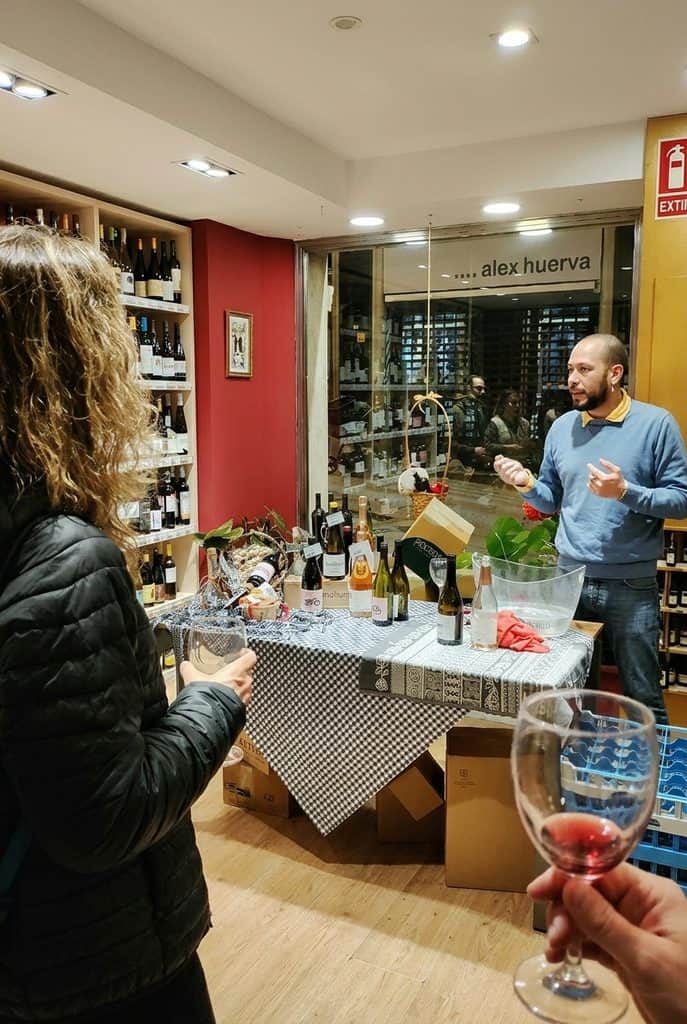
Glass after glass, we explored different expressions from the winery and saw surprised smiles around the table: it is fascinating how a red wine with such a delicate colour can carry so much depth, structure and length on the palate. For anyone who couldn’t make it or wants to pour another glass at home, here are the four Josep Foraster gems we tasted and now have ready at Wonderful Wines:
Cava Josep Foraster Trepat Rosat
We opened the tasting at Vinalium Manresa with this organic rosé cava made 100% from Trepat. Kepa chose it to kick off the session because it captures the historic soul of the grape: unadorned, direct and with natural acidity that wakes up the senses from the first second.
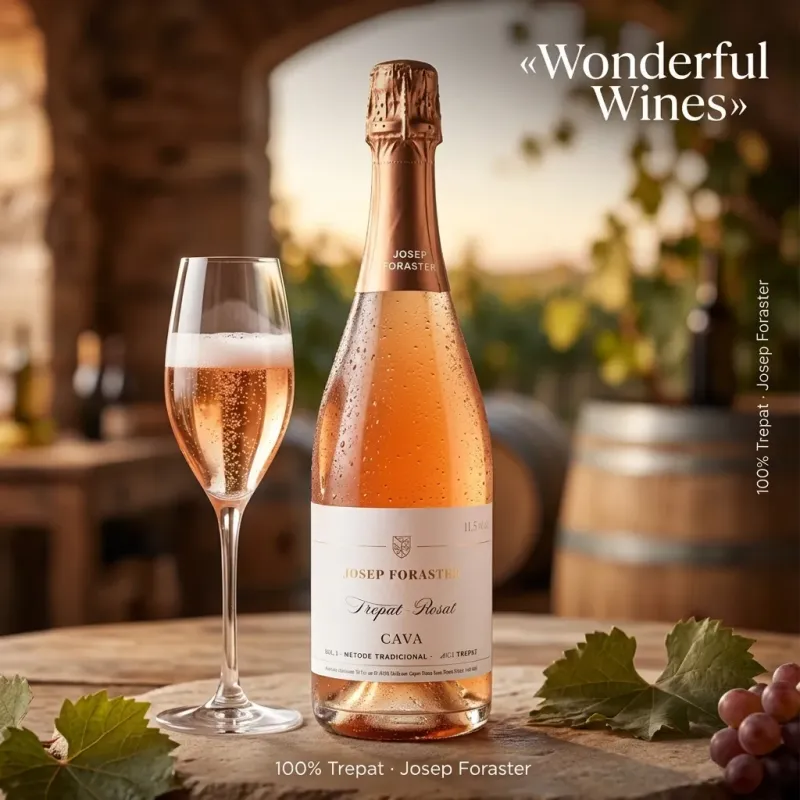
🍇 Tasting note: Pale, luminous pink in the glass with a fine, steady stream of bubbles. On the nose it is pure fresh red fruit —wild strawberry, raspberry and pomegranate— with a subtle hint of rose petals and soft pastry. On the palate it feels crisp, creamy and lively, with well-integrated bubbles and a dry, clean, lingering finish that calls for the next sip.
🍽️ Bold pairing: Don’t save cava just for dessert — try it with pan-seared chicken or vegetable gyozas with a touch of soy sauce, or with salmon and avocado tartare on crispy toast. The fine bubbles and crisp Trepat acidity cut through richness and play wonderfully off savoury umami.
Josep Foraster Blanc Selecció
After waking up the palate with rosé bubbles, the second wine of the afternoon at Vinalium Manresa was Josep Foraster Blanc Selecció. A thoughtful blend of Macabeo, Garnacha and Chardonnay aged on lees and in French oak barrels, bringing body, creaminess and depth without losing the freshness of DO Conca de Barberà.
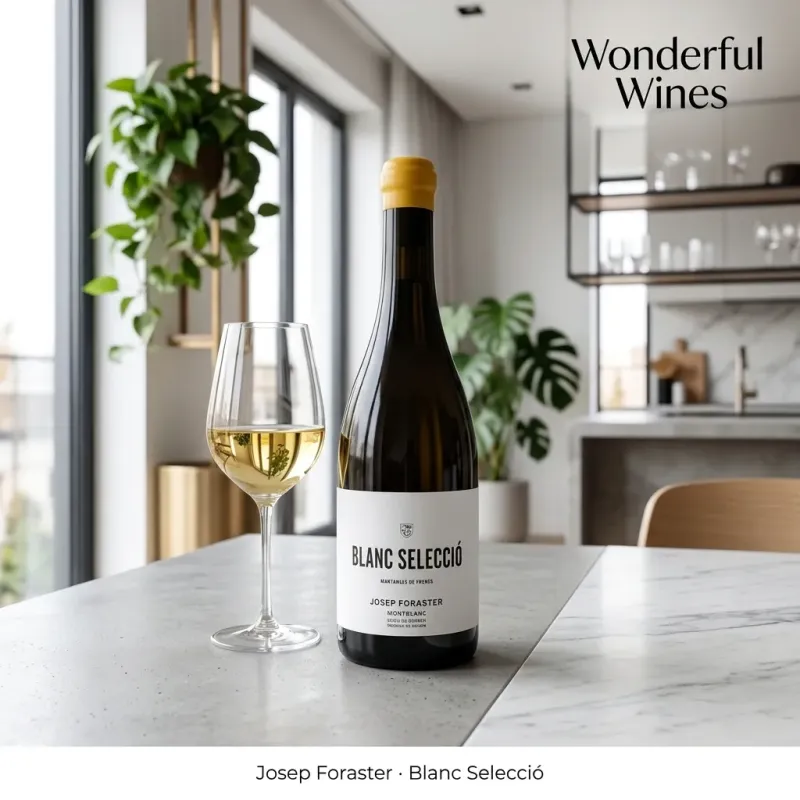
🍇 Tasting note: Luminous golden yellow with greenish glints and a supple texture that signals its time on lees. Ripe white fruit (pear, apple) and a citrus lift mingle on the nose with delicate pastry, soft vanilla and a discreet touch of French oak. Broad, creamy and enveloping on the palate, lifted by fresh acidity into a long, clean, lightly toasted finish.
🍽️ Bold pairing: Pour it alongside a creamy seasonal mushroom rice (boletus or chanterelles) finished with grated parmesan or cod loin confited in extra virgin olive oil with tender garlic. The lees creaminess matches the dish’s texture while the acidity keeps every bite lively.
LaMoto (Exclusive Josep Foraster & Vinalium Edition)
The freshest, most direct and laid-back red of the afternoon: The third wine of the session holds a special spot for us because it comes directly from a collaboration between Josep Foraster and Vinalium. A DO Conca de Barberà red made from Trepat, Garnacha and Syrah with a modern, youthful, fuss-free spirit designed to be enjoyed from the first pour without stiff formalities.
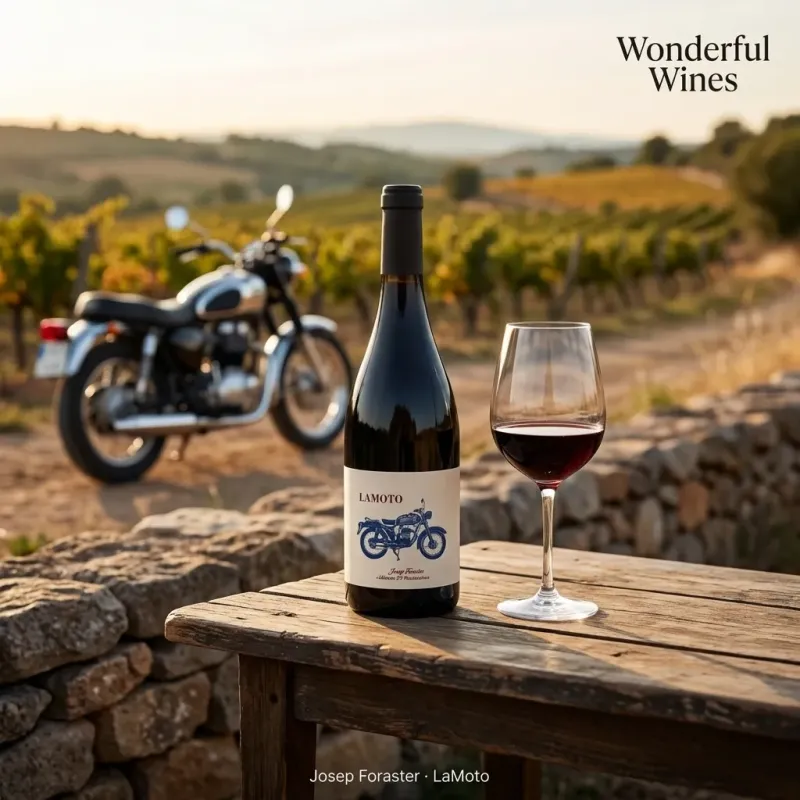
🍇 Tasting note: Bright medium-bodied ruby in the glass with youthful violet highlights. Bursting on the nose with fresh red and black fruit —cherry, raspberry and blackberry— alongside inviting spice from Syrah and Trepat’s classic white pepper note. Supple, juicy and easygoing on the palate, with barely-there soft tannins, lively freshness and a moreish finish that makes the bottle disappear before you notice.
🍽️ Bold pairing: Open it for a casual supper with an artisanal goat cheese, caramelised onion and rocket pizza, or with spiced chicken tacos with avocado and coriander. Its juicy fruit and light touch refresh the palate between bites and pair effortlessly with flavourful, relaxed food.
Josep Foraster Trepat
To close the evening at Vinalium Manresa, Kepa saved the winery’s flagship: Josep Foraster Trepat. Made 100% from old-vine Trepat (some over 50 years old) with subtle ageing in 300- and 500-litre French oak barrels, this is the wine that showed the world this native variety can produce reds of real depth, character and poise.
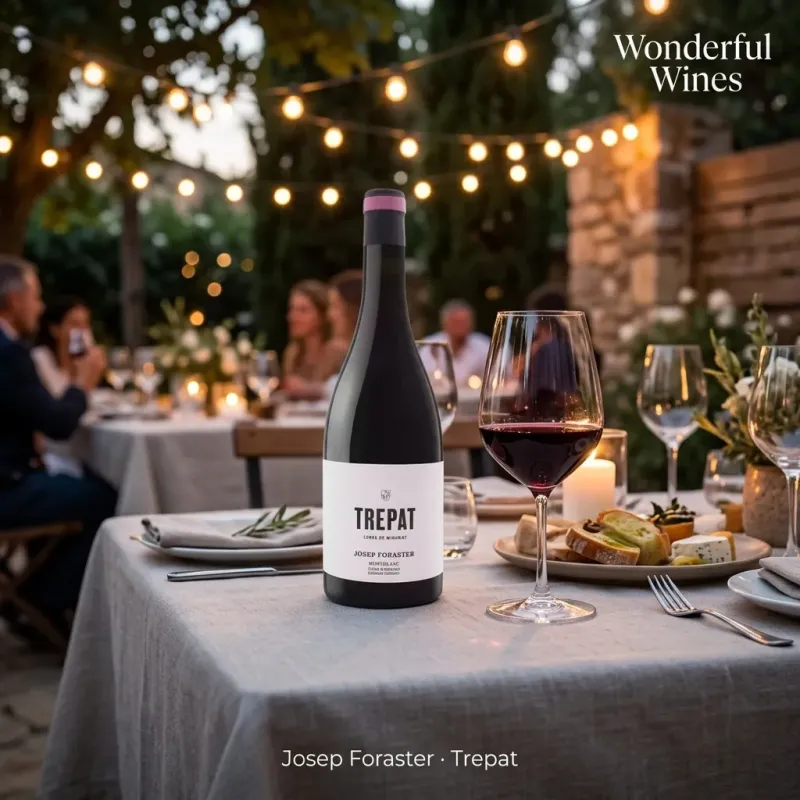
🍇 Tasting note: Clear, seductive medium-light cherry red in the glass. Unfolds the full expression of the grape on the nose: ripe yet crunchy red fruit (wild strawberry, raspberry, pomegranate), signature white pepper and clove, and a balsamic, Mediterranean scrub undertone with seamlessly integrated oak that never crowds the fruit. Pure silk on the palate, balanced, with fine tannins, vibrant acidity that stretches the finish and a persistent, spiced, elegant close.
🍽️ Bold pairing: Step outside the usual meat pairing and try it with pan-seared bluefin tuna tataki with sesame and a touch of soy, or with fried eggs over crispy potatoes with shaved Iberian ham and a pinch of black pepper. Its freshness and spice bridge savoury oily fish and hearty everyday comfort dishes alike.
🍷 Sommelier’s tip: If you’re bringing a bottle to a lunch or dinner and don’t know what’s on the menu, reach for a Trepat from DO Conca de Barberà. Lively acidity and soft tannins make it one of the best food wildcards around: it works just as well with cured meats, pasta, baked fish or roast poultry.
Frequently asked questions about DO Conca de Barberà and Trepat
What temperature should a Trepat red wine be served at?
Ideally slightly chilled, between 14 °C and 15 °C. If your bottle is at room temperature at home, put it in the fridge for about 20 minutes before uncorking: you’ll notice the red fruit lift and the freshness multiply.
Which Josep Foraster wines are best to start with?
If you want to ease into their style in a fresh, straightforward and unpretentious way, the Els Nanos range is a great place to start. They are the winery’s youngest, most approachable wines —in white, red or rosé— made for everyday glasses and tables with lively fruit and the organic character of DO Conca de Barberà.
Where can I buy Josep Foraster wines online?
At our online shop Wonderful Wines (wonderfulwines.es) you’ll find the bottles we tasted with fast shipping and proper storage care. And if you’re nearby, drop by Vinalium Manresa (Carrer Sant Miquel, 30) so we can chat about what you’re looking for and help you pick in person.
Thank you for sharing a passion for wine
Our heartfelt thanks to Kepa for making the trip to Manresa and sharing his time, passion and the Montblanc landscape with us, and to everyone who filled the table with questions and good cheer.
If you’d like to bring a taste of that evening home or are looking for a bottle to surprise guests at your next dinner, explore our selection of DO Conca de Barberà wines at Wonderful Wines: we’re confident Trepat will earn a regular spot in your cellar.
Cheers, and see you at the next tasting!
Leave a Reply