
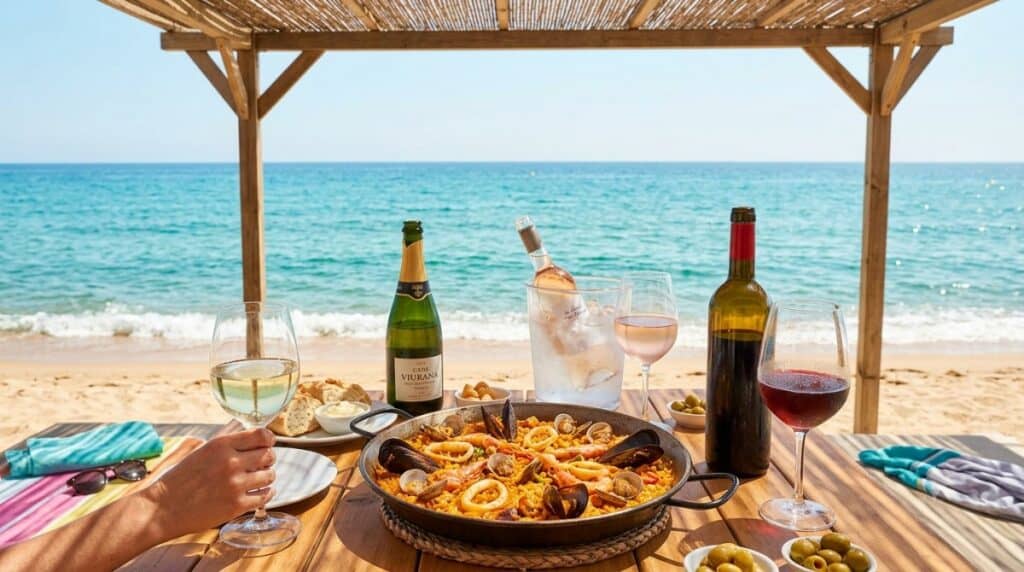
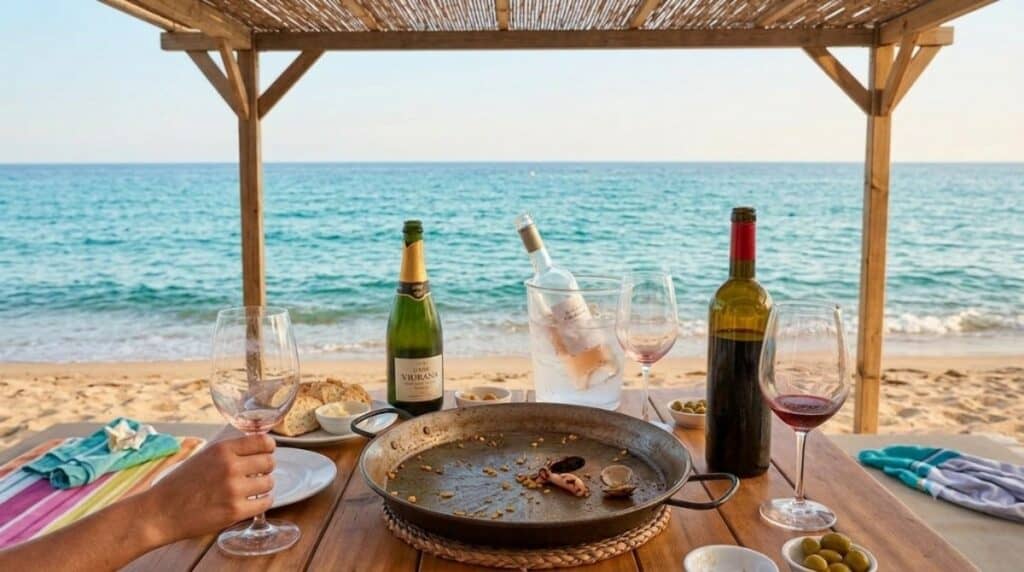
Let’s be honest: nothing smells more like holiday time than sitting at a seaside beach bar along the Maresme coast, feet practically in the water, a gentle sea breeze on your face, and a steaming paella or fideuà in the middle of the table.
After an intense few months at the shop, we also took a few days off to enjoy this favorite local ritual. However, professional habit dies hard: the server arrives, leaves the menu, and we ask ourselves the usual question. Which wine should we open to pair with a seaside paella when our only rush is listening to the waves crash?
Because while the location and company do a lot, picking the right bottle is what turns a simple summer lunch into an unforgettable memory.
The Secret to a Great Summer Pairing
Before choosing, you need to consider the setting. Eating at the beach in peak August heat means high temperatures, humidity, and a craving for light choices. Therefore, the perfect wine for paella must possess two essential qualities: crisp freshness to beat the heat and vibrant acidity to cleanse the palate from rich seafood broths and sofrito.
So, what are our top picks to uncork bite after bite?
The golden rule of summer is simple: freshness always wins over power. The fresher, livelier, and lighter the wine, the better it will match the rice, the heat, and the moment.
Mediterranean Whites: The Natural Choice for Seafood Paella
When talking about a traditional seafood paella, the first thing our body asks for is a good, chilled white wine. However, not all whites perform equally well under the Maresme sun.
Indigenous Grape Varieties with a Saline Touch:
First of all, local varieties such as Xarel·lo or Picapoll are a sure bet. Their lively acidity and citrus notes cut through the richness of the sofrito effortlessly. Furthermore, their minerality has a subtle saline touch that feels custom-designed to complement seafood.

A great example we love bringing to the beach is Colltor Plana (by Vinos Colltor, in Bages). A blend of Picapoll and Macabeu crafted outside the DO framework—a wine that proves terroir personality goes far beyond labels. It offers a minerality and freshness that feel tailor-made to pair with seafood.
Fuller Whites for Richer Broths:
On the other hand, if your rice dish features an intense stock base with squid, cuttlefish, or well-seared scampi, we like looking for a bit more body.
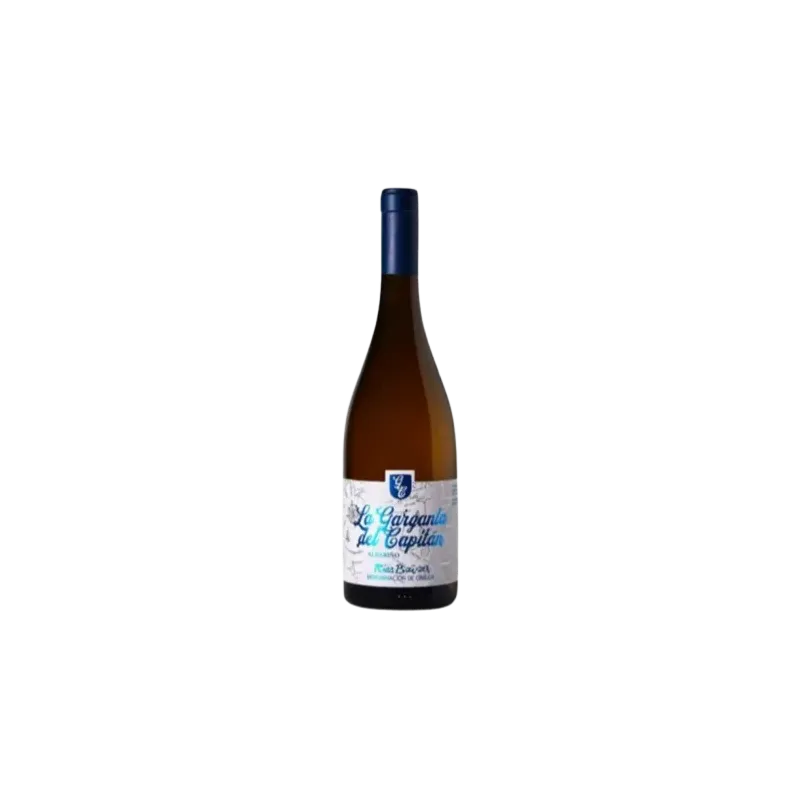
In these cases, Albariño is an undisputed king. An option we are passionate about for these rich rice dishes is La Garganta del Capitán (from Celler Villanueva, DO Rías Baixas). A structured white with a rich, velvety mouthfeel that embraces the depth of the sofrito, balanced by that characteristic Atlantic salinity that makes you crave the next bite.
Rosé Wines: Our Favorite Beachside Ally
At Wonderful Wines, we are strong advocates of Mediterranean-style rosé wines. Sometimes overlooked, rosé is actually the ultimate wildcard for a holiday lunch.
Especially if you opt for a mixed paella or a fideuà with a touch of garlic alioli, a pale Provençal-style rosé or one from our region offers the ideal balance: it combines the freshness and lightness of a white with the red fruit structure of a light red.

If we had to pick one to open at the beach, it would be La Rosa de Can Sumoi (DO Penedès). Crafted from indigenous grape varieties like Sumoll, Parellada, and Xarel·lo, it is a subtle, high-altitude floral rosé with a vibrant acidity that harmonizes beautifully with the complexity of the dish without overpowering any flavor.
Sparkling Wines: Because Any Day at the Beach Is a Celebration
For us, being on holiday at the beach is reason enough to raise a glass. That is why a good sparkling wine never fails at our table, especially when looking for maximum palate refreshment and a touch of festive spirit.
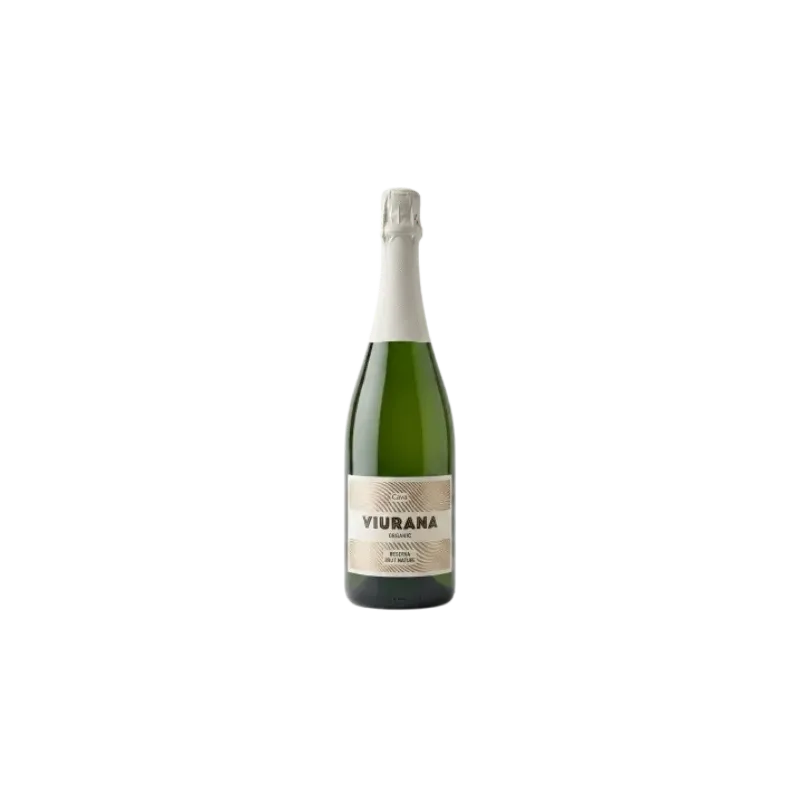
If we have to choose a Cava that stands up to a great seaside paella, we go for Cava Viurana Brut Nature Reserva (from the Ramon Canals winery). Crafted with the classic blend of Xarel·lo, Macabeu, and Parellada, it has just the right amount of aging to deliver complexity without losing a single drop of freshness.
Its fine bubbles and dry, zero-dosage Brut Nature profile do an impeccable job of cutting through the richness of the rice or the garlic intensity of a good homemade alioli, maintaining momentum from the first appetizer to the very last grain of rice.
What If We Prefer Red Wine at the Beach?
In the August heat, with sand on your feet and saffron in the air, our first pick is almost always a crisp white, rosé, or chilled Cava. But that doesn’t mean you have to give up red wine if it’s your favorite choice: you just need to pick wisely and keep a few details in mind. Always look for Mediterranean-style reds that are light, fruit-forward, low on oak, and packed with bright acidity to handle the summer weather.
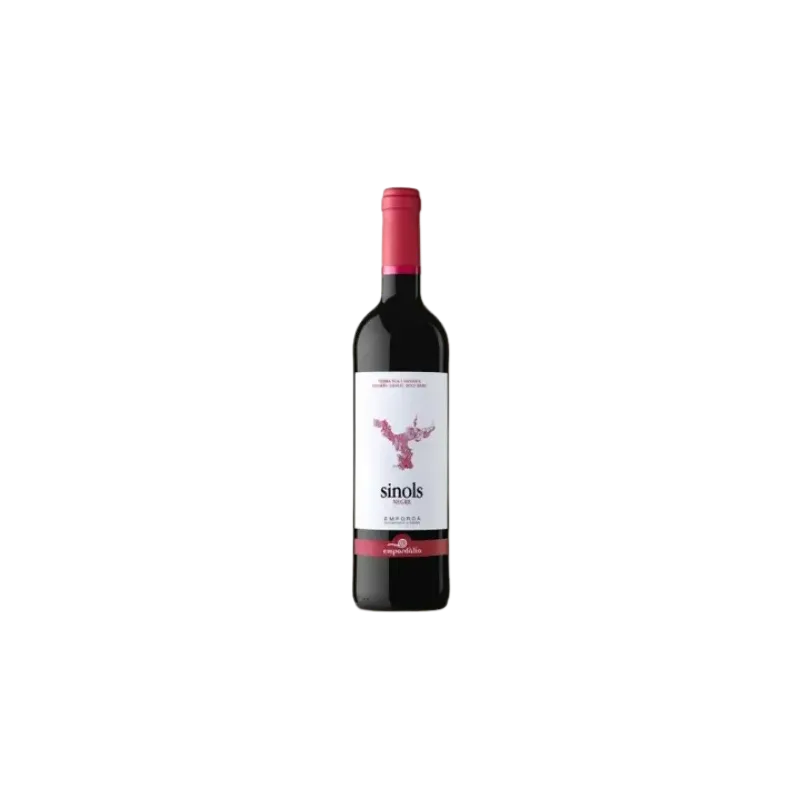
A perfect match for this pairing is Sinols Negre (from Celler Empordàlia, DO Empordà). Made with the quintessential Empordà blend of Garnatxa and Carinyena, it delivers abundant red fruit, a touch of Mediterranean herbs, and a natural freshness ideal for meat or mixed paellas.
Our sommelier tip: Ask for your Sinols to be served a couple of degrees cooler than usual (around 12-14 °C / 54-57 °F). Keeping it chilled allows the fruit flavors to shine without letting the alcohol feel heavy in the warm beach air.
Three Pro-Tips for Beach Bar Dining
To top off your meal properly, keep these three practical tips in mind:
- An ice bucket with water and ice is essential: In seaside heat, any wine loses its serving temperature within five minutes. Don’t be shy to ask for extra ice.
- Mind the alioli: If your fideuà comes with a good dollop of alioli, go for high-acidity wines to avoid overwhelming your palate halfway through lunch.
- Always request proper glassware: Even at the simplest beach bar, ask for a medium-sized glass wine glass; both your wine and your paella will taste much better.
Frequently Asked Questions About Wine & Paella Pairing
Which white wine pairs best with seafood paella?
As a rule of thumb, the simpler and cleaner the seafood preparation, the fewer frills you want in the wine: opt for labels from coastal or nearby maritime regions, as they naturally offer that desirable saline touch. If deciding between two bottles, always pick the younger vintage: in white wines, freshness and youth generally trump complexity when dining by the sea.
How many bottles of wine are needed for a paella for 4 people?
As a practical guide, calculate one 75 cl bottle for every 2-3 people when wine accompanies the entire lunch. People tend to drink slightly more in summer heat, so if there are four of you at the table, having a third bottle on standby in the ice bucket is a smart move—especially with chilled whites or sparkling wines.
Can you pair more than one wine during the same meal?
Absolutely, and it is actually one of the best ways to enjoy a long seaside lunch. A progression that works remarkably well is starting with a sparkling wine for seafood appetizers, switching to a white or rosé during the rice course, and finishing with a light red if desired. The key is to progress from lighter to fuller body, never the other way around.
What is the most common mistake when serving wine at the beach?
By far, serving the wine too warm. Direct sunlight, warm wooden tables, and waiting for the main course cause many bottles to lose their charm before the first sip. Another frequent mistake is opening the bottle too early and leaving it out of the ice bucket—in August heat, ten minutes is all it takes to lose that essential crispness.
What Wine Do You Uncork on Summer Holidays?
Ultimately, enjoying a summer break along the Maresme coast is one of those simple pleasures worth celebrating properly. Whether with a crisp indigenous white, a versatile rosé, or the lively bubbles of a great sparkling wine, the key is savoring the moment.
What is your go-to wine when eating paella by the sea? Share your thoughts in the comments below or check out our summer wine selection on the Wonderful Wines website to prepare for your next holiday lunch!
Leave a Reply