
Lately, at Vinalium Manresa, we have started to notice something curious. Every week, behind the counter, we hear the same question: “Do you have any semi-sweet wine?”. And the most interesting thing is not the question itself, but who is asking it. Because, contrary to what we might think, it’s not just customers new to the world of wine who are looking for this style. On the contrary, more and more young winelovers, some with a quite developed palate, are explicitly asking us for semi-sweet choices.

Therefore, we paused to think about it. What is happening for a category that until recently was somewhat left behind to return with such strength among the new generations? Without a doubt, something is shifting in the way young people approach wine. And since we love to follow every trend closely, we wanted to dive deeper into it.
In this post, we explain exactly what semi-sweet wines are, why they have stopped being “that wine for beginners,” and how they have become one of the greatest passions for the youngest winelovers.
What Are Semi-Sweet Wines?
To begin with, let’s clear up the most common doubt. A semi-sweet wine is one that contains a moderate level of residual sugar—meaning a part of the grape’s natural sugar that was not completely transformed into alcohol during fermentation. Specifically, we are talking about wines with between 12 and 45 grams of sugar per liter, according to European regulations.
Therefore, it shouldn’t be confused with a sweet dessert wine, which is much more concentrated in sugar, nor with a dry wine, where practically all the sugar has turned into alcohol. The semi-sweet style sits precisely at that intermediate point: enough sweetness to soften the palate, but with just the right acidity so the wine doesn’t become cloying.
Likewise, this balance can be achieved in different ways. On one hand, by stopping the fermentation before it finishes using cold temperatures or filtration to preserve part of the natural sugar. On the other hand, by adding unfermented grape must to the already finished wine, a technique known as “must addition.” In any case, the result is a fresh, aromatic, and easy-to-drink wine—characteristics that, as we will see next, explain much of its current success.
Why Are They Tripping Among Young Winelovers?
However, this alone doesn’t explain why young people in particular are driving their comeback. After all, semi-sweet wine is nothing new. So, what has changed?
On one hand, there is an obvious generational factor. Today’s youth approach wine in a much more open way, free from the prejudices that for years sidelined semi-sweets as “wines for beginners” or “easy wines.” On the contrary, this very accessibility is now a growing value: a fresh, aromatic wine without harsh edges invites you to enjoy it without needing to “know about wine,” connecting directly with a more relaxed and less solemn way of drinking.
On the other hand, there is the social media effect. On TikTok and Instagram, semi-sweet wines—especially rosés and semi-dry sparkling wines—have found a perfect ally: they are photogenic, refreshing, and perfect for sharing in casual moments, whether during an aperitif, on a terrace, or at an informal hangout. Certainly, the visual and social component of wine has gained weight, and the semi-sweet fits right in.
Finally, we cannot ignore the changing palate. More and more young people come to wine after starting out with cocktails, seltzers, or drinks with a sweet and fresh touch. Therefore, the transition to semi-sweet wine is almost natural: it’s not a difficult “leap,” but rather a comfortable continuity into a new world.
In short, semi-sweet has stopped being a “transitional” wine to become a conscious choice and, above all, a statement of style.
Let’s Debunk the Myth: They Aren’t “Bad” or Sugar-Loaded Wines
Now, it’s worth addressing a very widespread prejudice: the idea that a semi-sweet wine is, by definition, a lower-quality wine or drowned in sugar. And that is simply not the case.
First of all, let’s remember the numbers we already mentioned: a semi-sweet contains between 12 and 45 grams of sugar per liter. In contrast, many soft drinks or sugary beverages we regularly consume exceed 100 grams per liter without anyone thinking twice. Therefore, when we speak of semi-sweet, we mean a much more moderate level of sweetness than the word seems to imply.
On the other hand, we must dismantle the confusion between “sweet” and “low quality.” The perception that a semi-sweet is an “easy” or “lesser” wine comes largely from a time when some sugary wines were used to mask production flaws. Today, however, reality is quite different: crafting a good semi-sweet requires precision and technical control—stopping the fermentation at the exact moment, or carefully dosing the must—to achieve that perfect balance between sweetness and acidity. It is undoubtedly a technical skill, not a shortcut.
Likewise, today we find semi-sweets made with the same varieties and the same care as any other style: aromatic Moscatels, fresh rosés with a light touch of residual sugar, or semi-dry sparkling wines with fine and elegant bubbles. Ultimately, the quality of a wine does not depend on its sugar level, but on how it is made and the balance it achieves.
Therefore, enjoying a semi-sweet is not “settling” for a lesser wine. It is simply choosing a different style, crafted with as much personality and dedication as any other.
Semi-Sweets, the Perfect Refreshment to Face the Heat
And right now, there is no better time to rediscover them. We are in the middle of summer, with heatwaves inviting us to look for a very cold glass that truly refreshes. Well, semi-sweets have a lot to say here. Thanks to their balance of soft sweetness and bright acidity, these wines are extraordinarily easy to drink when the thermometer rises, ideal to enjoy well-chilled by the pool, during an outdoor dinner, or simply to accompany a summer evening conversation.
That’s why at Wonderful Wines and Vinalium Manresa we have prepared a short selection to guide you into the semi-sweet world this summer:
1. El Marido de mi Amiga
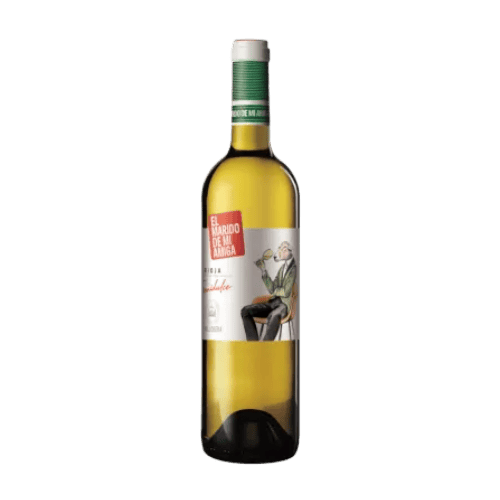
The absolute TOP in our shop, and it’s no coincidence. This semi-sweet white from Bodegas Vallobera (Rioja Alavesa) combines White Tempranillo, Malvasía, and Sauvignon Blanc in a precisely planned blend: some varieties are fermented completely to gain volume on the palate, while the Sauvignon is stopped to preserve its natural freshness. The result is a straw-yellow wine with aromas of stone fruit, lychee, and tropical hints, featuring a sweet entry and a fresh, light finish. Serve it very cold, between 7 and 10°C, and you will have the perfect summer aperitif.
2. Mimi Kiss Rosé
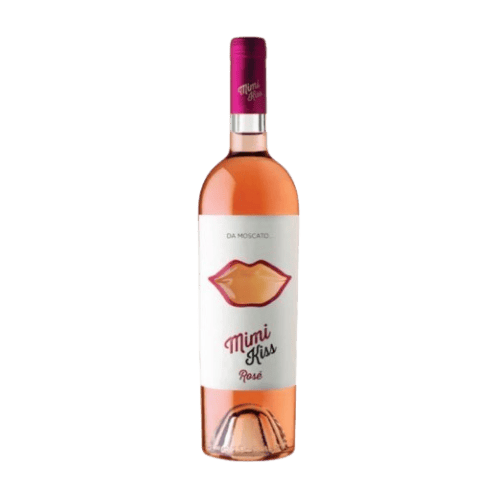
The second most requested, and the favorite of our colleague Jaume, for those looking for a festive and fruity touch. This Italian Moscato rosé from Piedmont seduces with an aromatic floral bouquet with notes of wild red fruits, gentle sweetness, and a light sparkling tickle. Perfect as an aperitif, to accompany fruit desserts, or simply to open a terrace afternoon in good company.
3. Can Paixano Rosat

And as it couldn’t be any other way, we close the selection with a true classic of ours. This sparkling rosé originates from the legendary Xampanyeria Can Paixano, a historic cava bar in Barceloneta that opened its doors in 1969 and has been cheering its customers ever since with its house rosé: fresh, lively, and easy to drink. Made with Tempranillo, Cariñena, and Trepat, it surprises with an intense pink color, fine and persistent bubbles, and aromas of red fruits like blackberry and currant. A wine that brings the spirit of Barceloneta to any summer table.
In Summary: A Trend That Is Here to Stay
And that’s how, step by step, semi-sweet wines have stopped being that “beginner” option to become one of the greatest passions for the youngest winelovers. They are neither sugar-loaded choices nor low-quality wines: they are simply a different and equally valid way to approach wine, bringing all the freshness and lightness that this summer demands from us.
Therefore, if you haven’t tried them yet, this is the perfect moment. Come and discover our semi-sweet selection at Vinalium Manresa, where we will help you find your favorite and serve it to you well-chilled to enjoy instantly. And if you prefer to take your time from home, you will also find them all at wonderfulwines.es, ready to reach your doorstep and become the star refreshment of this summer.
Because, after all, at Wonderful Wines and Vinalium Manresa we keep doing what we’ve always done: accompanying you to discover the world of wine, trend by trend, glass by glass. 🍷
Leave a Reply